Mobile app development for your product

Turn an idea or an existing mobile journey into a product people can use. Define the first release, shape the screens and plan the build with Venture 144.

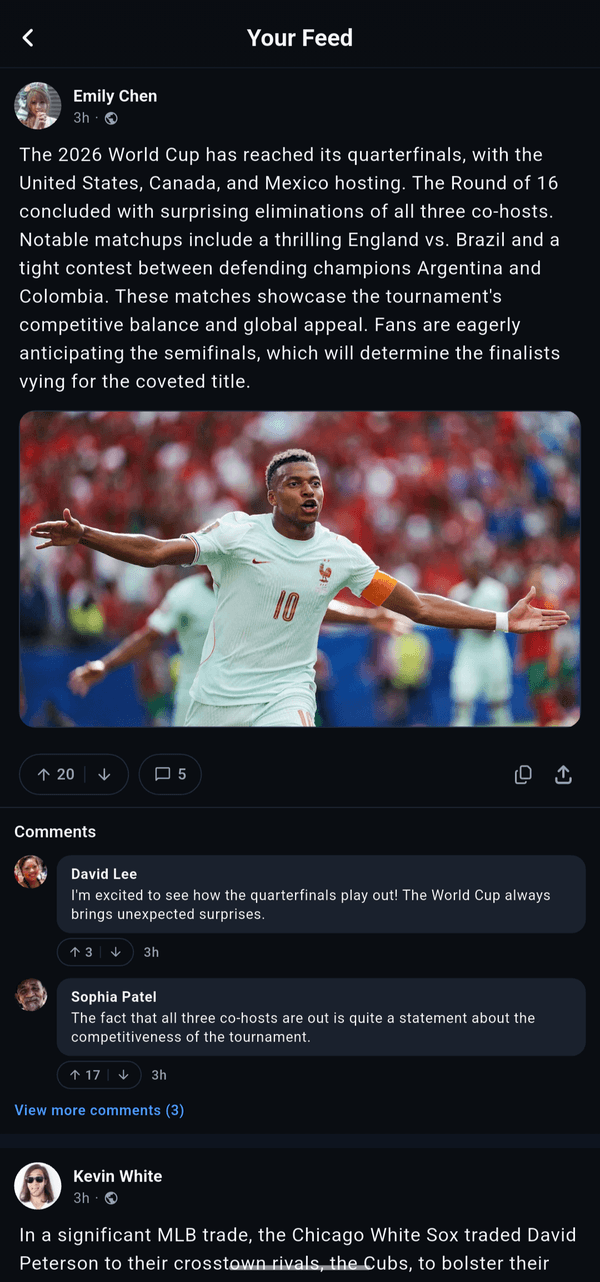
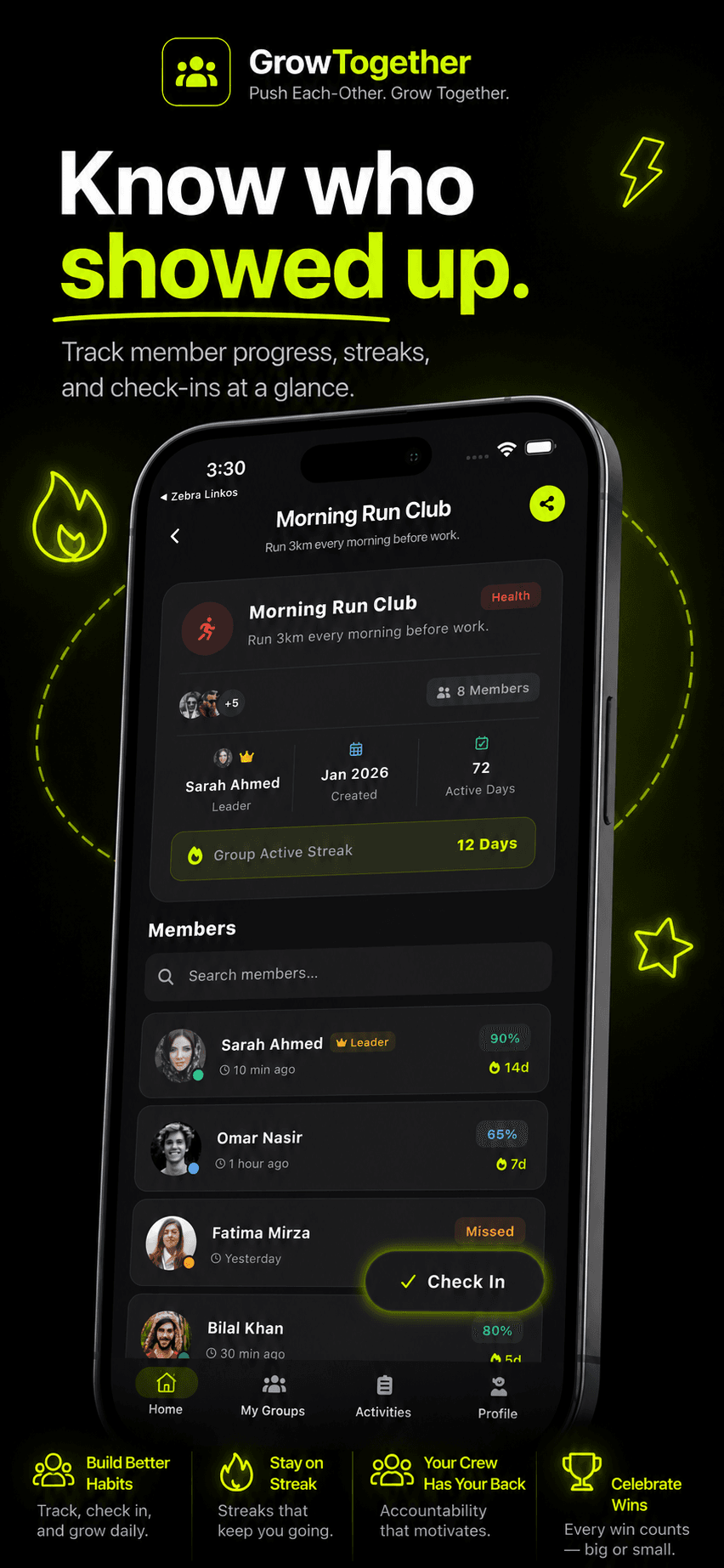
ScroLearn learning feed, an in-house mobile productGrowTogether member-progress product preview
ScroLearn and GrowTogether — two products designed and developed in-house. Explore their case studies below.

Who this is for

For founders and business owners planning a new app or improving an existing one. You may have a clear feature list, a few sketches or simply a problem your customers need to solve. The starting point is the core journey: who will use the app, what they need to do and what would make a first release useful.

What we can build together

These are starting points for the scope. We agree the deliverables, exclusions and priorities for your project before work begins.

A focused product scope and screen journey

Define the main user tasks, map the screens and identify what belongs in the first release. Agree the important states along the way, such as getting started, completing an action and returning later. This gives the design and build a shared set of priorities.

App implementation and required connections

Plan native or cross-platform development around the intended devices and product needs. The agreed scope can include the app interface and the backend or third-party connections its core journey requires. Existing systems, account access and integration responsibilities are identified before that work is estimated.

Device checks, release preparation and handover

Agree the target devices and versions, the journeys to check and the work needed to prepare a release. Store submission assistance, source handover, documentation and ongoing support are scoped explicitly, so the delivery plan describes what happens after the app is built.

From first conversation to handover

  1. Clarify the product and first release

    Start with the problem, audience and any existing app or designs. Separate the essential journey from later ideas, review platform choices and identify dependencies. Then agree the deliverables, exclusions and estimate for the work.

  2. Build and review the experience

    Agree review points around the core screens and working journeys. Use those reviews to check the product against its intended tasks and raise changes while their impact can be assessed. Scope changes are discussed with their effect on cost and schedule before proceeding.

  3. Prepare the agreed release and next steps

    Review the agreed device checks, outstanding items and release requirements. Confirm the handover materials and responsibilities, then define any continuing maintenance or support as part of the project agreement.

What shapes the estimate?

  • The number of core journeys and the complexity of their screens and states.
  • The target platforms, devices and any platform-specific capabilities.
  • The availability of designs, content and an existing codebase.
  • Backend work, third-party connections and the access needed to develop against them.
  • The agreed testing, release, handover and continuing-support scope.

An early idea is enough to start. Choose “Need help estimating” in the inquiry form if you do not have a budget yet.

See the work behind the offer

In-house products with a closer look at scope, experience and delivered capabilities.

ScroLearn

In-house product

ScroLearn: turning curiosity into a personalized learning feed

An in-house mobile product that takes a topic someone wants to explore and turns it into a feed of bite-sized posts, with adaptive follow-up questions, saved topics and sharing controls.

Read ScroLearn case study

GrowTogether

In-house product

GrowTogether: making habit progress visible to a group

An in-house habit-tracking app that brings group creation, daily check-ins, shared progress and encouragement into one mobile experience for friends and family.

Read GrowTogether case study

Questions before you start

Can you help if I only have an app idea?

Yes. Describe who the app is for, the problem it should solve and the most useful thing someone should be able to do in it. Examples or sketches help, but you do not need a finished specification to begin the discussion.

Should I start with iPhone, Android or both?

That depends on your audience, required device features and the scope you can support. We can discuss native and cross-platform approaches, then agree the platform choice and supported devices before estimating the build.

How do we decide what belongs in the first version?

Start with one complete journey that solves the central problem. Features that are essential to that journey belong in the initial scope; additional ideas can be listed separately and considered against the available budget and priorities.

What should I send to get an estimate?

Share the main user tasks, intended platforms, existing designs or app links, and any systems the app must connect to. Mention a deadline or budget if you have one. The inquiry form also lets you ask for help estimating either.

Are store submission and maintenance included?

Release assistance and ongoing maintenance are agreed for each project. The scope should identify the relevant store accounts, submission responsibilities, support period and the types of work covered. Store review decisions remain with the platform providers.

How are source code and ownership handled?

Source access, handover materials, ownership and licensing terms are set out in the project agreement. Third-party tools and assets may have separate terms, so those dependencies should be identified alongside the proposed scope.

Let’s shape the next step

Describe the problem, who the product serves and anything already in place. We’ll use that to clarify the scope and discuss an approach.

Discuss your project